Designing how people learn.
How might we help teenagers go from knowing nothing about design to having the skills and confidence to take on real design challenges?
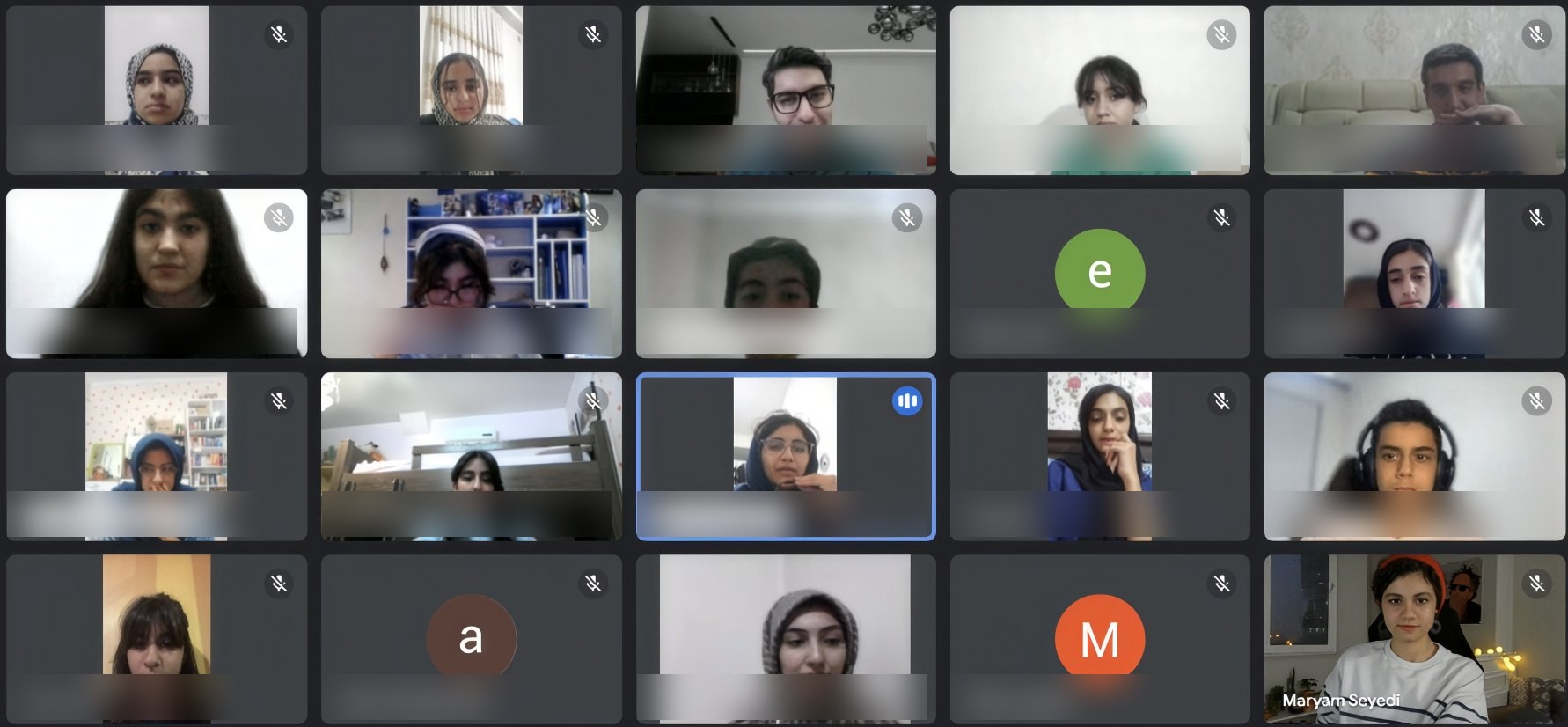
Designed and taught the design course
An online school teaching teenagers tech, design and entrepreneurship · rubikamp.org ↗
16+ students in year one · 12 in year two
Before designing the course, I needed to learn.
I didn’t want the course to be just about software. I wanted students to understand how designers think, solve problems, and turn ideas into something useful. So I started with research.
Iranian design schools and academies, plus a design-thinking programme, compared by structure, topics and teaching approach.
People who hire juniors or had built design education, including Ali Babaei, Alireza Haji and Aida Abbasi.
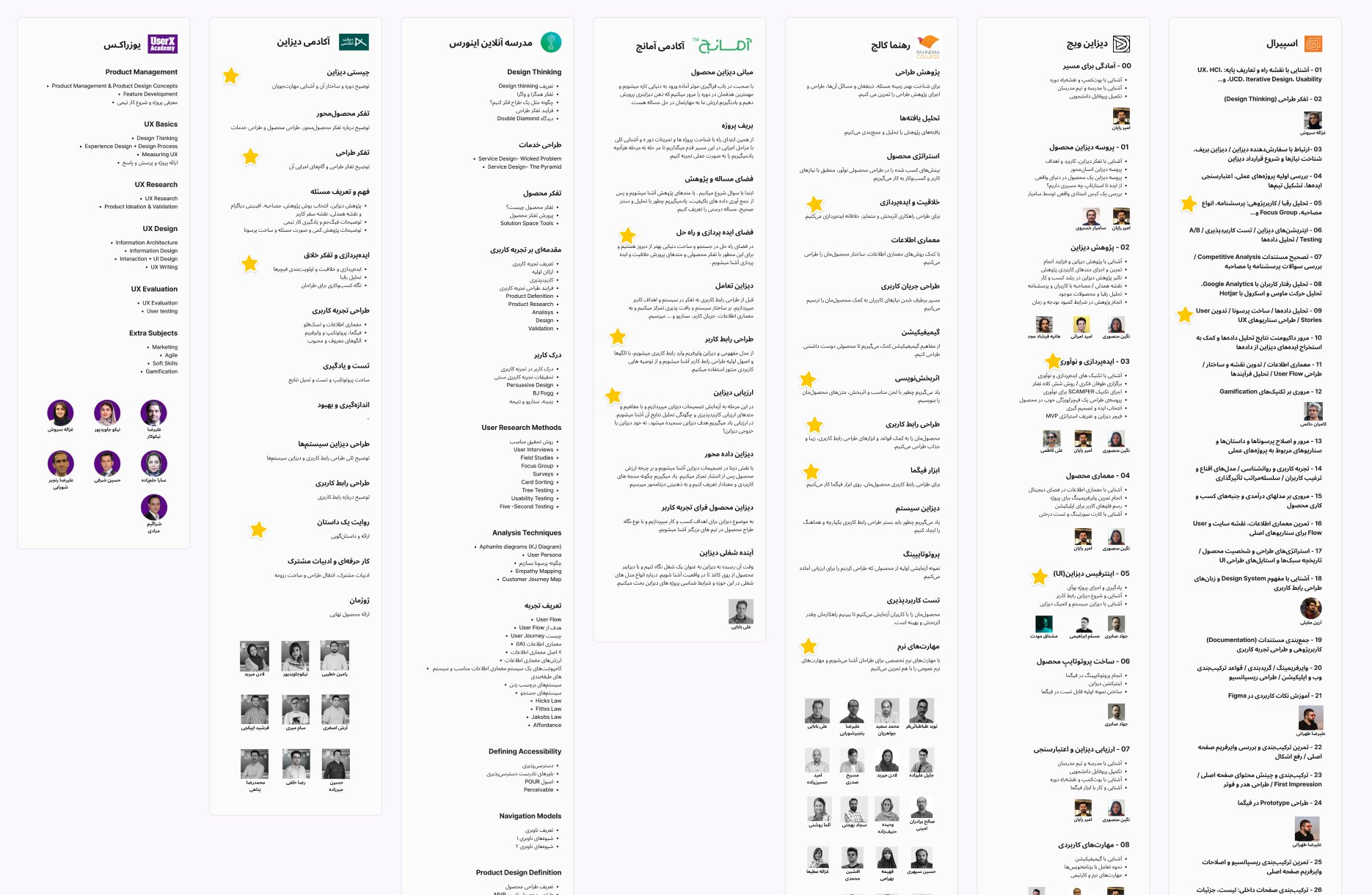
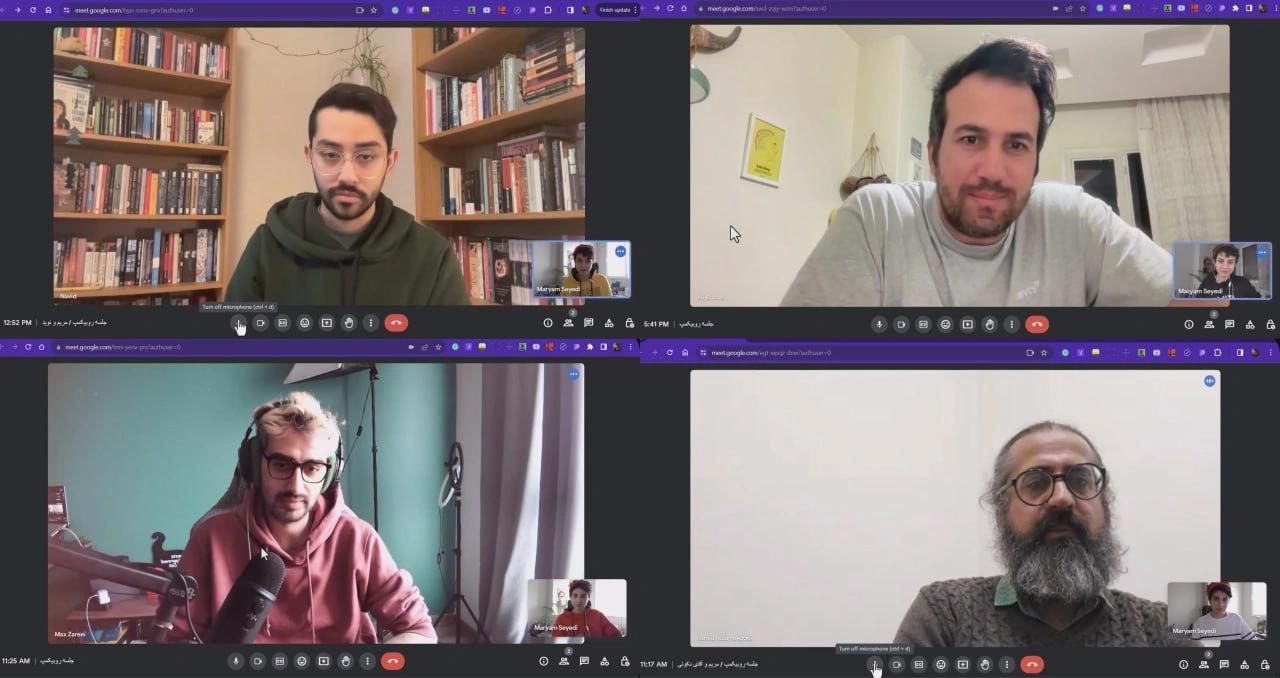
Three principles I took from the research.
- Thinking before tools.
Teach how designers think, through things teenagers actually find fun.
“Teach them how to think, and do it through things teenagers actually find fun.”
- Practice over theory.
Short lectures, more play and practice, and room to experiment, even when students take a different path.
“Decide the course’s approach first: do students learn through repetition, or through a clear framework?”
- Skills beyond the screen.
Presenting, negotiating and teamwork, taught with respect, never talking down.
“Soft skills matter: presenting, negotiating, working in a team.”
Quotes are from my interview notes.
Turning research into a learning journey.
The first-year roadmap ran 13 chapters over 60 sessions. Every chapter came with hands-on exercises and extra resources, and most had a guest designer. It ended with a final project and a portfolio.
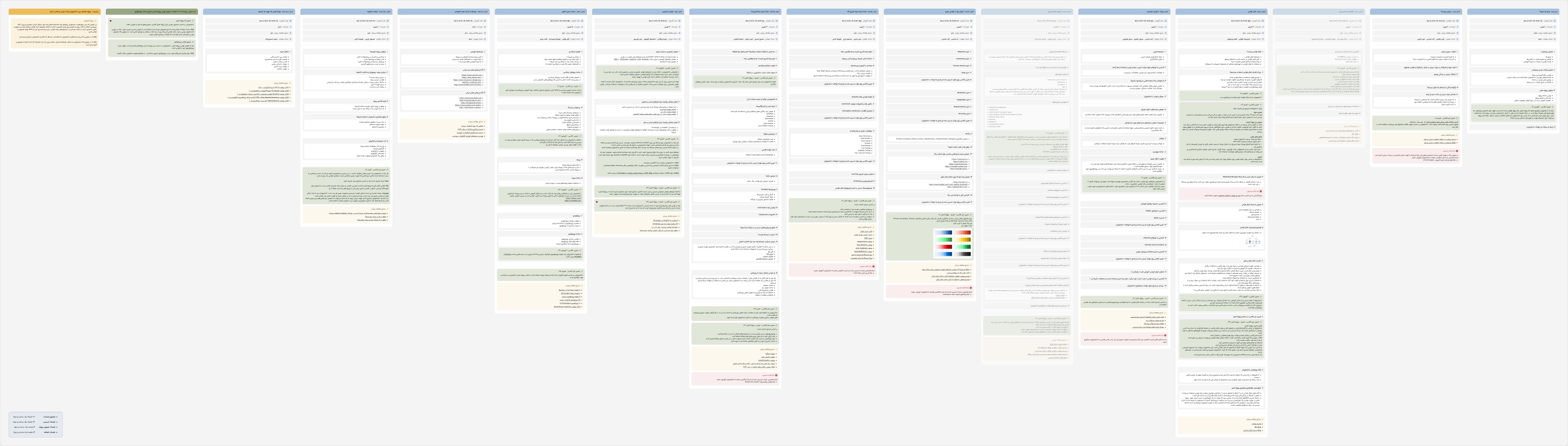
- ThinkDesign fundamentals, creativity and critical thinkingWhat is design? · Creativity & ideation · Design thinking
- ExploreHow visual, UX and UI design workVisual design principles · UX basics · UI basics
- MakePractical tools, including AIPhotoshop · Illustrator · AI as a design assistant
- ApplyProfessional and career skillsCareer path · Courses & certificates · Working with clients · Skills worth having
The 13 chapters grouped by what they teach. The roadmap shows the order they were taught in.
A curriculum that evolved with its students.
The roadmap was a starting point, not a fixed script. Throughout both years, I adjusted the teaching pace, activities, and priorities based on students’ progress and feedback.
- TeachA month of classes
- ListenAn anonymous survey at the end of each month
- AdaptPriorities, pacing, activities
Students shared what worked, what felt hard, and what they wanted to explore next.
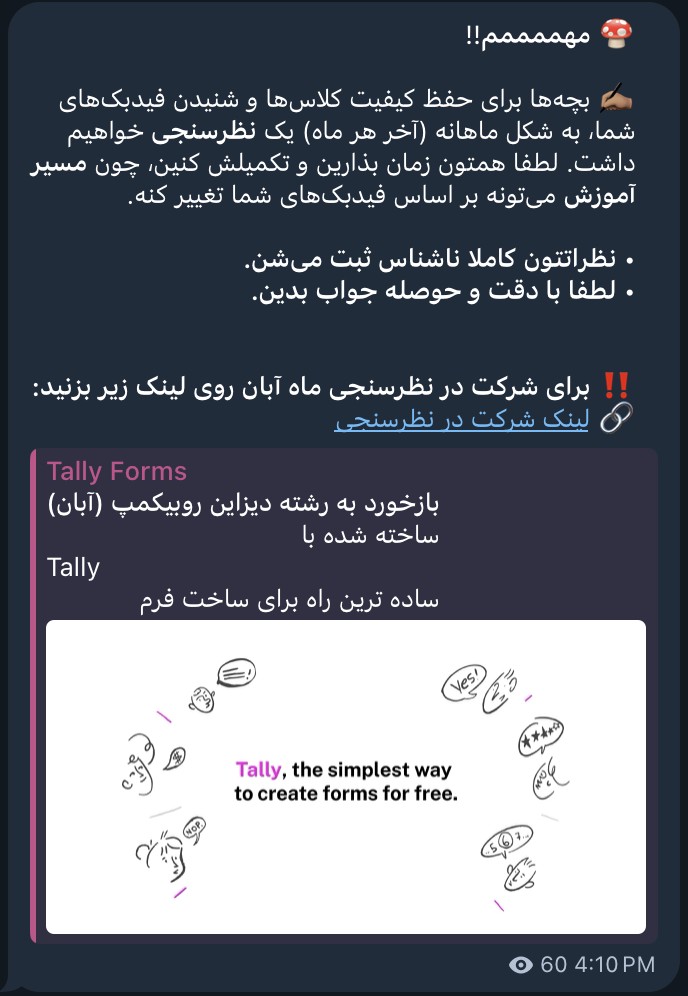
Learning by doing came first. In the design-thinking chapter, students worked through a classroom scenario: an elderly father keeps forgetting his heart medication, won’t use a phone, and his busy daughter lives in another city.
The second year couldn’t be the same.
Looking back at year one, one of my notes stood out:
“They know the tools, but not what to do with them.”
AI was also changing how designers research and explore ideas. So for the second-year cohort of 12 students, I redesigned the course to help them move from single exercises to solving more complete problems.
Inside the classroom.
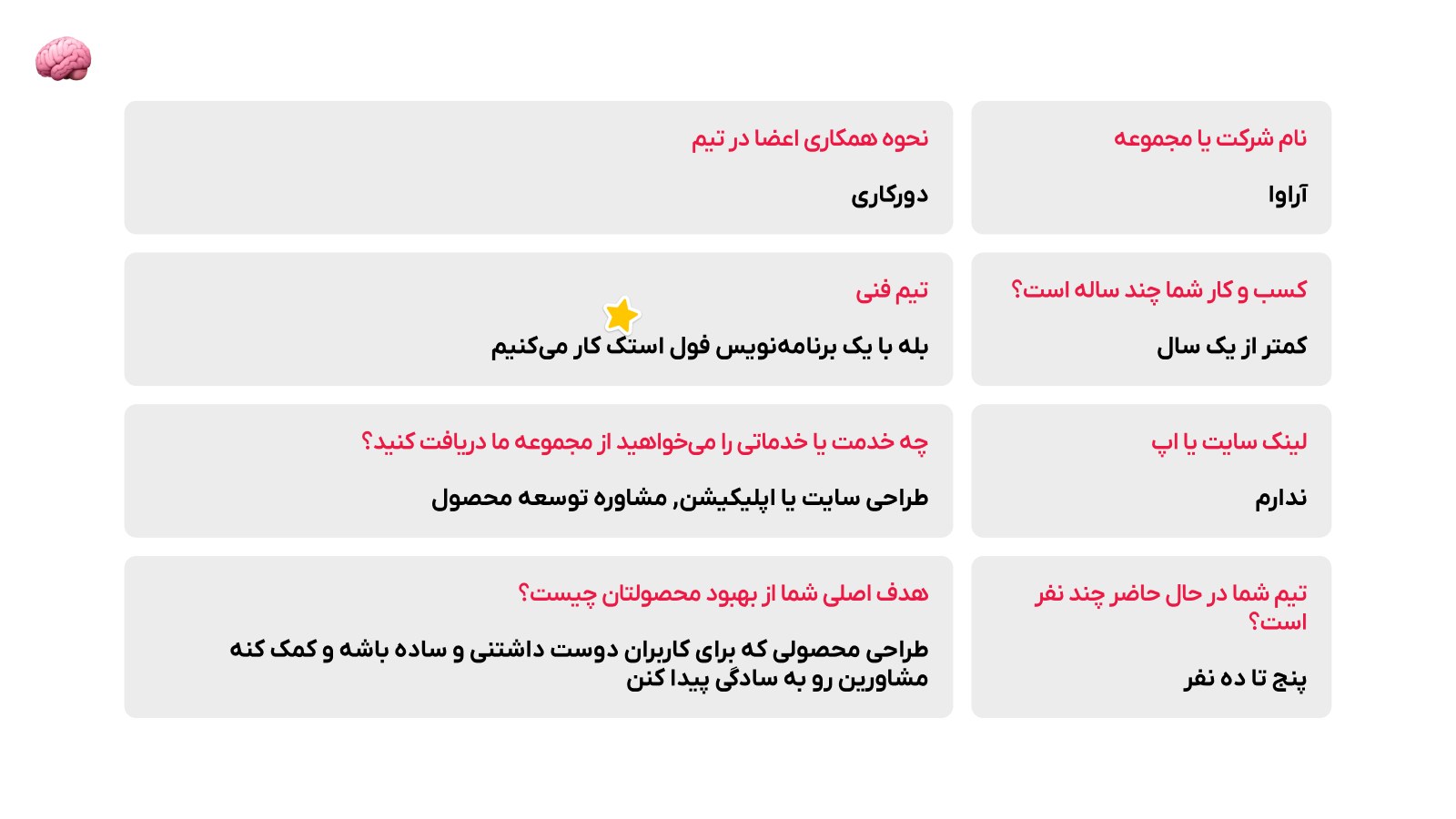
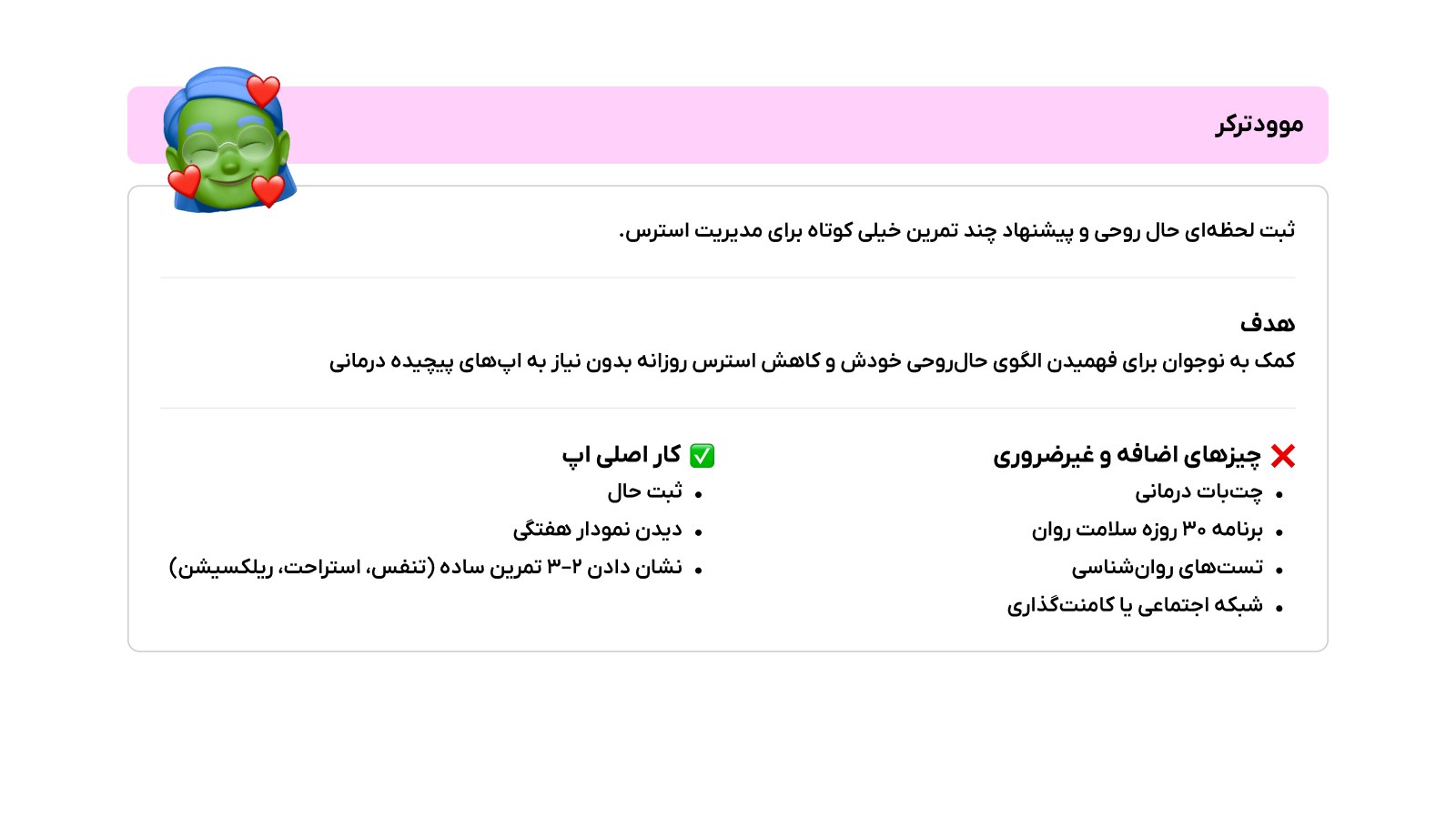
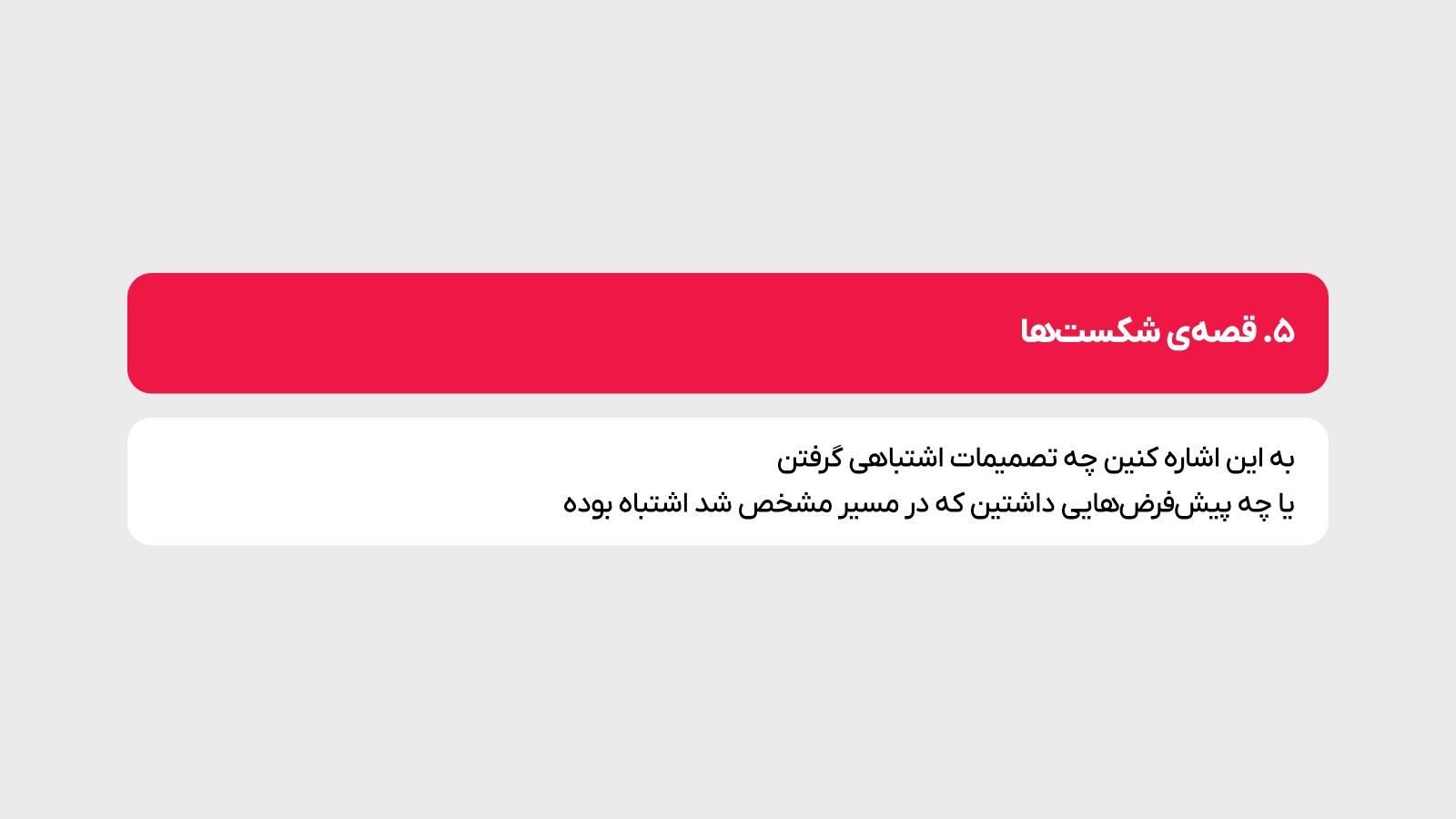
Three moments from the year-two slides. The briefs came from client personas I wrote for class; the Fidibo challenge used a real, live product.
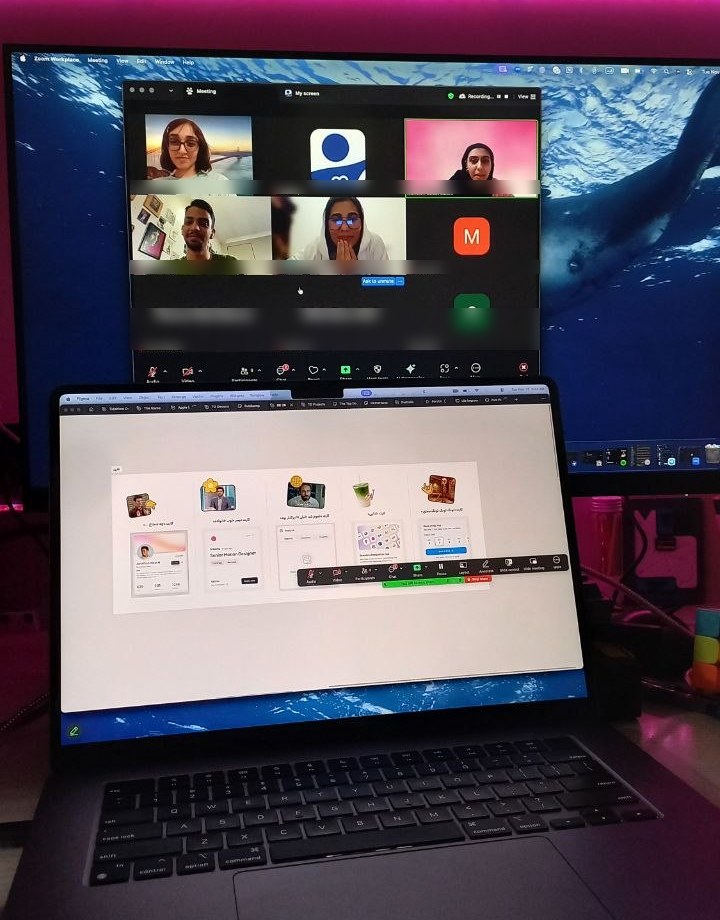
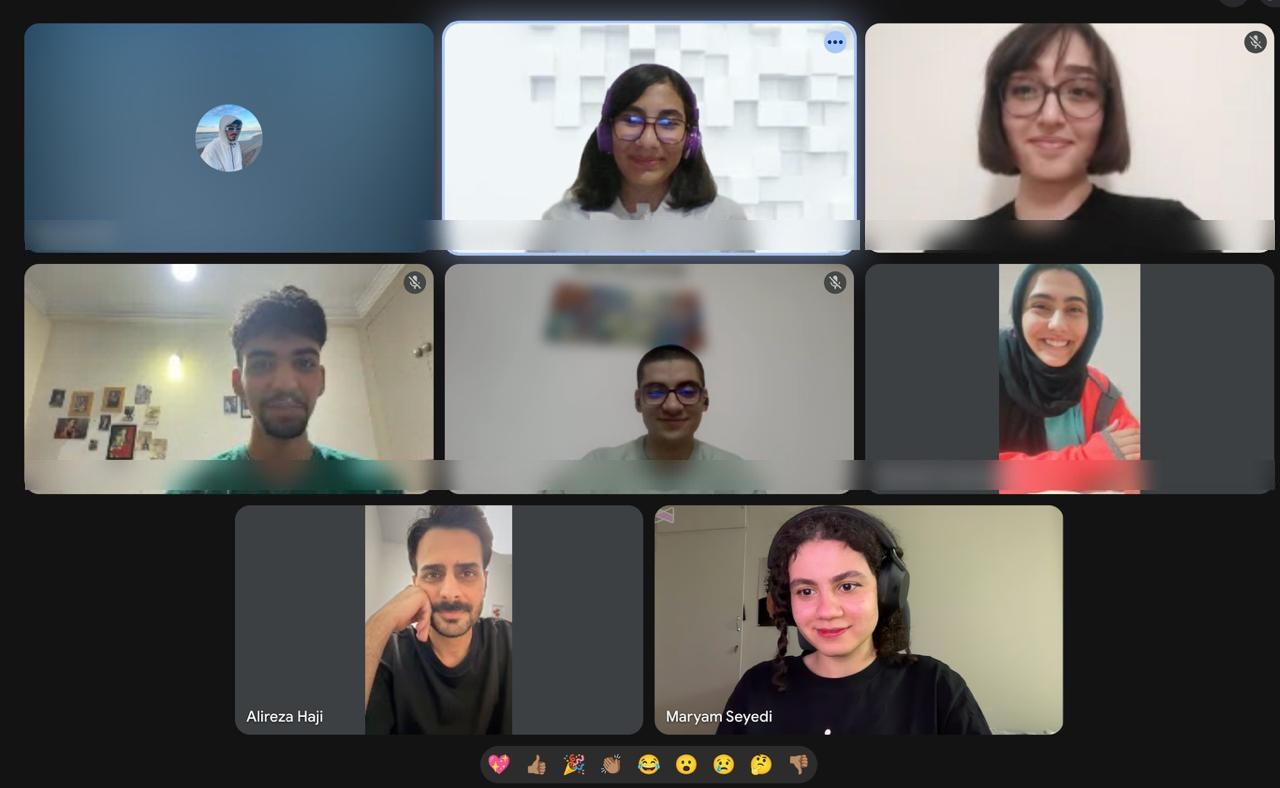
Rated highest at Rubikamp.
Rubikamp ran its own evaluation of every major’s classes over two months. In its words, “the design class had the highest score.”
- 7 of 7rated the class 5 out of 5 overall
- 7 of 7said the teaching kept them actively following
- 5 / 5average for wanting to continue
Based on 7 responses from the design class, not the whole cohort of 12. Asked what could be better, most wrote “nothing”. One student added: “Joining the design class was honestly one of my best decisions.”

What designing a course taught me.
Designing a course taught me that learning experiences aren’t finished when the curriculum is written. They’re shaped by the people using them.
The biggest challenge wasn’t explaining complex design concepts. It was creating opportunities for students to think independently, make decisions, and learn through doing.